
BLOG
Why Sunbury Homeowners Need to Check Battery Backup Capability Before Relying on Solar Storage During a Blackout
A solar battery can store electricity for evening use without necessarily providing power during a blackout. For homeowners in Sunbury, that distinction matters when deciding whether a system should reduce grid imports, support essential appliances during an outage, or perform both functions.
Backup operation depends on the battery, inverter, electrical connections and system configuration. A full battery does not establish which parts of the home will keep working. Those details need checking before an outage exposes a gap between the installation and the household’s expectations.
Stored Energy Does Not Automatically Mean Backup Power
Most ordinary grid-connected solar systems stop supplying electricity when the grid fails. This protective shutdown prevents the system from feeding electricity into a network that workers may be repairing.
A suitable backup installation separates the supported household circuits from the grid and supplies them independently. Not every battery arrangement includes the equipment or configuration needed to do this.
Solar charging during a blackout also varies. Some arrangements supply appliances from stored energy but cannot replenish that energy from the panels while the grid remains unavailable. Others can continue using solar generation and charging the battery under suitable conditions. energy.gov.au
The practical question is therefore more specific than whether the house has a battery. The owner needs to know whether the installed system supports backup, which circuits it supplies and whether rooftop solar can operate during that backup period.
Identify the Circuits That Matter During an Outage
A backup design may cover selected circuits rather than the entire property. On a three phase supply, the arrangement may support only one phase. Appliances elsewhere in the installation can remain without power even while the battery operates normally.
Prepare a list of equipment the household needs during an interruption. This might include the refrigerator, selected lights and the power points serving communication equipment. Record their actual locations so the electrician can identify the circuits involved.
Avoid relying on room names alone. A kitchen may contain appliances connected to several different circuits, while one power circuit may serve outlets across multiple rooms.
The design also needs to consider simultaneous use. Equipment that works individually may exceed the system’s output when several loads operate together. Manufacturer guidance for backup systems identifies reducing high demand loads as a way to avoid overload and extend operation.
Check Power Output Separately From Running Time
Two different measurements determine what a backup system can do. Power, measured in kilowatts, concerns the load the system can supply at a given moment. Energy, measured in kilowatt-hours, concerns the amount available over time.
Consider an illustrative system with 8 kilowatt-hours available for household use. A constant load of 1 kilowatt would use that amount in eight hours before allowing for losses and operating limits. At 2 kilowatts, the same simplified calculation gives four hours.
Actual demand rarely stays constant. Refrigerators cycle, lights switch on and off, and cooking or heating can change consumption sharply.
The inverter’s output limit remains a separate constraint. A battery with substantial energy remaining can still stop supplying power if connected equipment exceeds the permitted load. A high charge percentage therefore does not prove that the system can run every appliance at once. Tesla Support Australia
Use a running-time estimate based on the intended backup loads, rather than dividing battery capacity by a whole-house daily average.
Review Reserve Settings and Poor Weather Scenarios
Some battery systems allow the owner to reserve a portion of stored energy for outages. For example, Powerwall provides a configurable Backup Reserve setting. Other products have their own controls and operating rules, which need checking in the relevant instructions. Tesla Support Australia
A reserve setting affects how much energy remains available for routine household use. Keeping more aside for backup leaves less available for ordinary discharge before an outage.
Weather planning also needs realistic assumptions. Severe weather can interrupt electricity supply, and conditions during an extended outage may reduce solar production. Assessing backup performance using only a clear summer day can overstate how long the system will support the household. CitiPower & Powercor
Consider an outage beginning after sunset, when the battery has already supplied evening loads. Compare that scenario with one beginning during daylight. These starting conditions can produce very different results from the same equipment.
Confirm the Backup Arrangement at Handover
Battery installation involves electrical protection and connection requirements that extend beyond mounting the equipment. Victorian guidance specifically addresses switchboard assessment, alternative supplies and protective arrangements for battery systems. Energy Safe Victoria
At handover, obtain a clear explanation of the supported circuits, output limits, reserve settings and expected behaviour when the grid fails. Ask the installer to explain how backup operation was verified and which instructions apply if the system stops supplying power.
Keep the operating instructions and electrical certification with the property records. In Victoria, battery installation falls within prescribed electrical work requiring the relevant certification and independent inspection process. www.energysafe.vic.gov.au
Later changes to appliances or circuits may affect the backup arrangement. Reassess those changes before assuming the original design still supports the household’s needs.

DISCOVER WHAT OUR CUSTOMERS HAVE TO SAY ABOUT US
REVIEWS
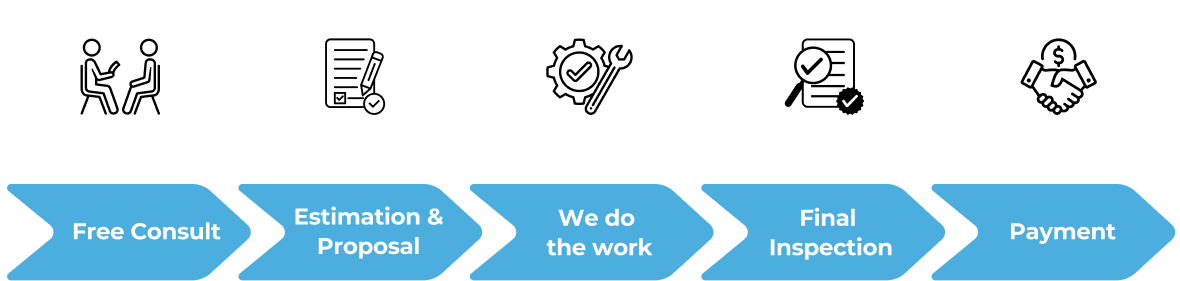
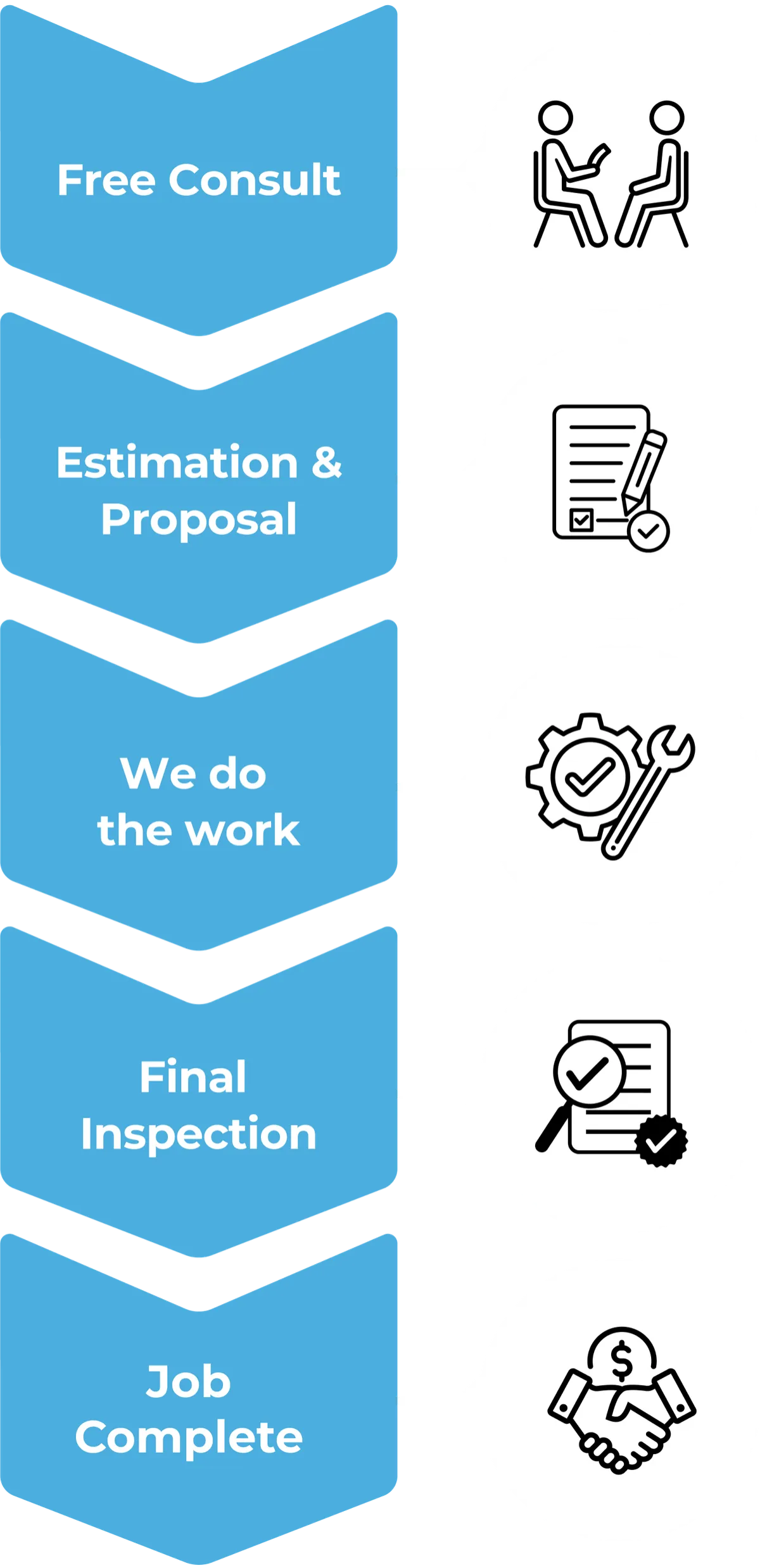
our process
Our process is simple and only contains a few simple steps
SERVICE AREAS
proudly serving Sunbury

frequently asked questions
Find clear answers to the questions we’re asked most often.
How does the repair process work?
Once you contact Appliance Repair Solutions, a technician will discuss the issue with you and arrange a suitable inspection time. The problem is diagnosed on site, and clear advice is provided before any repair work begins. The goal is to complete repairs efficiently while keeping communication straightforward throughout the process.
How quickly can I book a technician?
Service availability depends on your location and the type of appliance issue. In many cases, same day or next day bookings may be available across Sydney. The team aims to respond promptly and provide flexible scheduling where possible.
Do you provide quotes before starting repairs?
Yes. After assessing the appliance and identifying the fault, you will receive clear information about the recommended repair and expected costs. This helps customers make informed decisions before approving any work.
What should I do before the technician arrives?
It helps to clear access around the appliance and make note of any error codes or unusual behaviour. If possible, have the appliance model number available as this can assist with diagnosing the issue faster. The technician will guide you through anything else needed when confirming the booking.
What should I do before the technician arrives?
It helps to clear access around the appliance and make note of any error codes or unusual behaviour. If possible, have the appliance model number available as this can assist with diagnosing the issue faster. The technician will guide you through anything else needed when confirming the booking.
proudly serving Baulkham Hills
Homebush
Gladesville
Leichhardt
North Sydney
Mosman
Box Hill
Marsden park

Trusted & Accredited Plumbers


READY TO take the next step?
get a free quote TODAY!

SparkOne Electrical
14 License Road, Diggers Rest VIC 3427