
SERVICES
EV Charger Installation
Home EV charging planned around your vehicle, parking position and existing electrical supply.
GET A FREE QUOTE
Based in Diggers Rest
20+ Years Experience
QUALITY WORK
Open Seven Days
What EV Charger Installation
EV charger installation provides a fixed charging point for an electric vehicle at home. The work starts with the vehicle requirements, the household electricity supply and the position where the car normally parks. An electrician assesses the switchboard, cable route and available capacity before selecting the circuit arrangement. In Sunbury, a charger may sit inside a garage or beside an outdoor parking space, with the location affecting equipment selection and cable protection. Charging speed depends on the car as well as the charger, so a higher advertised output does not automatically mean a faster charge. Daily travel and the time available overnight help establish a practical charging rate. Planning the installation before the vehicle arrives also leaves time to address any supply limitations. A convenient charging position keeps the lead within reach without stretching it across a doorway or regularly moving stored items. The completed installation needs testing and a clear explanation of normal operation.
Why Choose Spark One Electrical for EV Charger Installation
Experience with household electrical demands
Andrew brings more than 20 years of electrical experience to the decisions behind a home charging installation. A charger adds a sustained load alongside cooking, heating and other household equipment. That broader electrical background matters when discussing how charging will fit the existing installation, rather than considering the wall unit in isolation.
Reliable attendance for installation access
A charger installation can require access to the garage, switchboard and the path between them. Spark One Electrical places value on arriving when agreed, helping you organise access and move the vehicle or stored items beforehand. Clear arrangements are particularly useful when the work must fit around commuting or another household member's schedule.
Careful work around the parking space
Andrew's focus on quality applies to the everyday details of an EV charging point. The lead needs a sensible resting position, and the installation should suit the way the parking space actually operates. Careful workmanship matters where equipment sits close to car doors, shelving and the regular movement of people through a garage.
An ongoing electrician for changing needs
Spark One Electrical aims to remain your electrician as household requirements change. A second electric vehicle or a different parking arrangement may prompt another conversation about charging. Working with an electrician who values a continuing relationship gives those later discussions context, including the reasons for the original charger position and electrical arrangement.

What This Service Covers
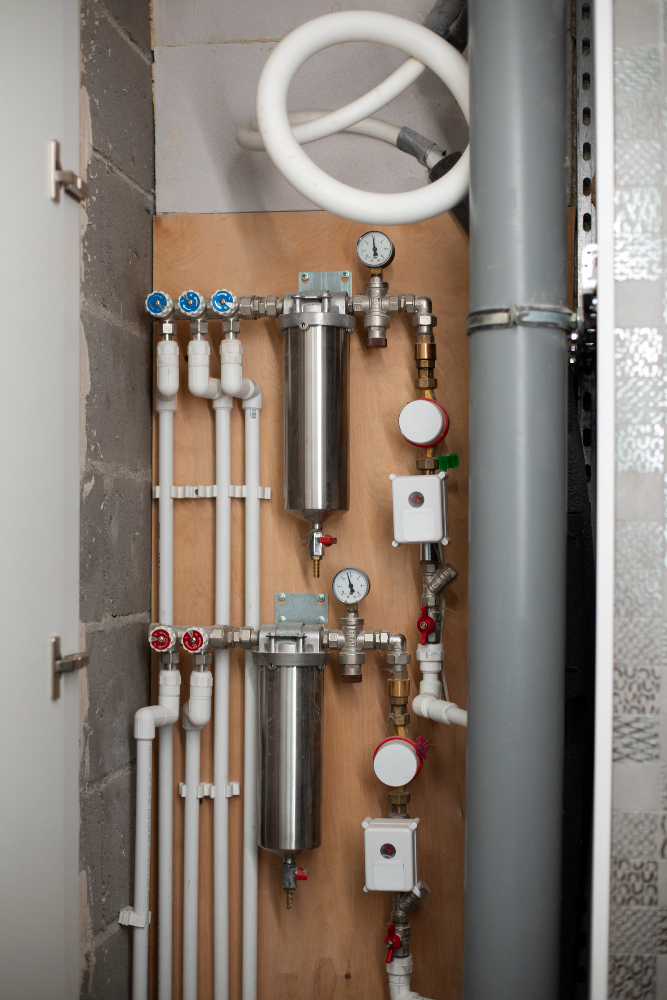
We assess the proposed charger position, vehicle requirements and existing electrical installation before agreeing the work. The scope can include a dedicated circuit, suitable protective devices, cable routing and mounting the charging unit. Where household demand limits the available charging output, the assessment considers compatible load management or other changes. We test the completed electrical work and explain the agreed charging setup. Equipment compatibility, switchboard alterations and any work affecting the electricity supply need confirmation before installation, rather than an assumption that every property accepts the same charger.
Signs You Need This Service
You may need a fixed charger when your normal parking position has no suitable charging arrangement, the available charging window cannot meet your driving needs, or a second vehicle changes household demand. Leads crossing walkways and repeated interruptions during charging also warrant attention. A warm plug, damaged socket, burning smell or repeated tripping needs electrical assessment, not a higher powered charger as a quick fix. Avoid continuing to use damaged charging equipment. Note the vehicle model, charger messages and circumstances of any interruption to help explain the problem.
DISCOVER WHAT OUR CUSTOMERS HAVE TO SAY ABOUT US
REVIEWS
our process
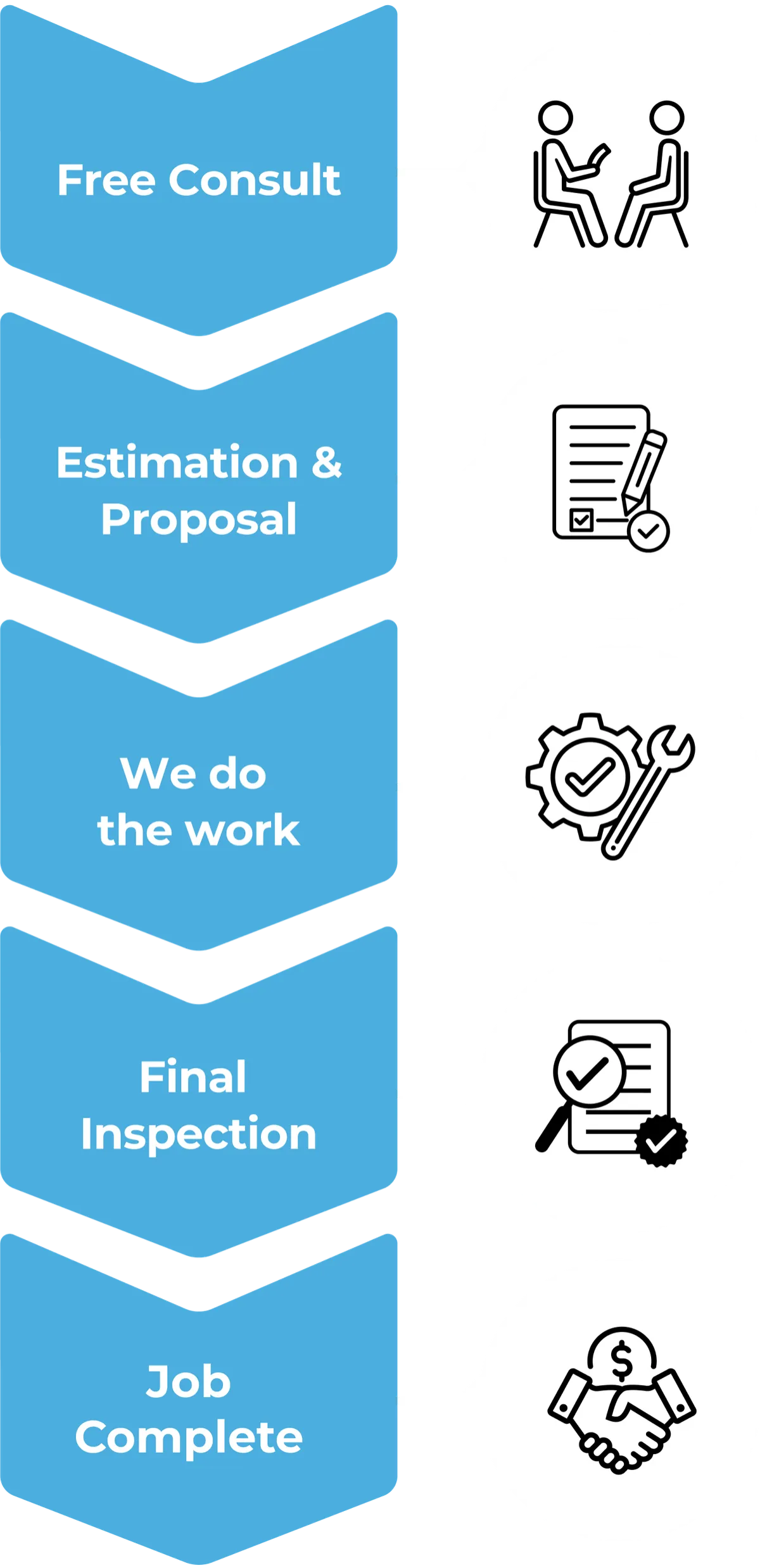
A simple process from first call to finished job.

SERVICE AREAS
proudly serving Sunbury

frequently asked questions
Find clear answers to the questions we’re asked most often.
How does the repair process work?
Once you contact Appliance Repair Solutions, a technician will discuss the issue with you and arrange a suitable inspection time. The problem is diagnosed on site, and clear advice is provided before any repair work begins. The goal is to complete repairs efficiently while keeping communication straightforward throughout the process.
How quickly can I book a technician?
Service availability depends on your location and the type of appliance issue. In many cases, same day or next day bookings may be available across Sydney. The team aims to respond promptly and provide flexible scheduling where possible.
Do you provide quotes before starting repairs?
Yes. After assessing the appliance and identifying the fault, you will receive clear information about the recommended repair and expected costs. This helps customers make informed decisions before approving any work.
What should I do before the technician arrives?
It helps to clear access around the appliance and make note of any error codes or unusual behaviour. If possible, have the appliance model number available as this can assist with diagnosing the issue faster. The technician will guide you through anything else needed when confirming the booking.
What should I do before the technician arrives?
It helps to clear access around the appliance and make note of any error codes or unusual behaviour. If possible, have the appliance model number available as this can assist with diagnosing the issue faster. The technician will guide you through anything else needed when confirming the booking.
proudly serving Baulkham Hills
Homebush
Gladesville
Leichhardt
North Sydney
Mosman
Box Hill
Marsden park

Trusted & Accredited Plumbers


FREQUENTLY ASKED QUESTIONS
Your questions answered
Do I need three phase power for a home charger?
Not necessarily. Many home charging arrangements use single phase power. The suitable output depends on the property supply, other loads and the vehicle's onboard charging capability. Three phase equipment cannot deliver its full rated output from a single phase supply, so check the complete arrangement before choosing hardware.
Can a charger be installed outside?
Yes, where the selected equipment and installation suit the exposure. The assessment considers rain, sunlight, physical damage and the cable route. Position also matters for everyday use, including lead reach and foot traffic. An outdoor wall does not automatically provide an appropriate location for every charger model.
Will any charger work with my electric vehicle?
Compatibility depends on the connector, vehicle specifications and charging functions. The vehicle can limit the charging rate even when the wall unit supports a higher output. Provide the exact vehicle model and proposed charger details so the electrical arrangement and equipment compatibility can be assessed together.
Can the charger use electricity from my solar system?
Some chargers can coordinate charging with available solar generation, but this depends on compatible controls and the wider system. A standard charger may draw grid electricity when solar output is insufficient. Discuss whether your priority is charging at a set time or adjusting charging to available solar production.
What should I prepare before installation?
Provide the vehicle and charger details, photographs of the switchboard and the intended parking location. Keep access clear and identify any planned changes to the garage or driveway. The electrician still needs to assess the installation on site before confirming the final cable route and electrical requirements.
Business detail Spark One Electrical | REC 31797
READY TO take the next step?
get a free quote TODAY!

SparkOne Electrical
14 License Road, Diggers Rest VIC 3427