
BLOG
Repeated Circuit Trips in Older Sunbury Homes and What Appliance Loads, Wiring Condition and Fault Patterns Can Reveal
Repeated circuit breaker trips and blown fuses are common issues in established properties across Sunbury, particularly in older residential pockets where original electrical infrastructure was designed for far lower power consumption. While an occasional trip can simply mean a temporary overload, frequent interruptions point to underlying electrical stress, failing insulation, or circuit imbalance. Identifying why a safety switch or circuit breaker trips involves examining appliance loads, evaluating the condition of existing wiring, and observing specific fault patterns.
Electrical Demand Versus Legacy Board Capacity
Many older homes in Sunbury were built at a time when household power needs were minimal compared to modern standards. Original switchboards were wired to support basic lighting, a refrigerator, and a few small kitchen appliances. Today, high-wattage modern conveniences such as induction cooktops, split-system air conditioners, electric water heaters, and EV chargers place significantly higher continuous demand on electrical supply.
When multiple high-draw devices run simultaneously on a single circuit, the circuit breaker detects an amperage draw exceeding its rated capacity. To prevent conductors from overheating and causing damage inside wall cavities, the thermal trip mechanism inside the breaker activates, shutting off power. If a trip occurs consistently when specific appliances run together, such as a kettle and a portable heater on the same power point circuit, the issue is typically load concentration rather than a damaged cable.
Wiring Degradation and Insulation Breakdown
In properties constructed several decades ago, the physical condition of the fixed cabling can deteriorate over time. Older installation practices used materials that may degrade due to thermal aging, rodent activity, or environmental exposure.
Vulcanised Indian Rubber and Tough Rubber Sheathed cables from older installations become brittle, crack, and flake away from copper conductors over time, exposing live wires directly to earth or neutral lines. Polyvinyl Chloride sheathing on early PVC insulation can leach plasticisers, creating a sticky residue inside junction boxes and switchboards that reduces insulation resistance. Additionally, cables running through roof spaces or wall frames often suffer mechanical pinching, bend stress, or accidental damage from fasteners driven during past renovations.
When wire insulation breaks down, minute current leakage occurs between conductors or to earth. Residual Current Devices detect these minor imbalances, often as low as 30 milliamperes, and disconnect the supply almost instantly to protect occupants from electrical shock.
Interpreting Trip Patterns and Fault Indicators
The timing and context of how a circuit disconnects provide critical information regarding the nature of the electrical fault. Observing when trips occur helps narrow down whether the issue lies within fixed wiring, external equipment, or internal components.
An immediate trip upon resetting a breaker indicates an active hard short circuit or persistent earth fault, pointing directly to a shorted appliance, damaged cable, or moisture inside an electrical enclosure. Intermittent trips that happen only after running heavy appliances for several minutes suggest thermal overload or loose terminal connections creating localized heat. Outages occurring during severe rainstorms or high humidity frequently signal moisture ingress into outdoor power points, garden lights, roof junction boxes, or external weatherheads.
Modern Circuit Protection and Safety Switch Requirements
Under current Australian standard AS/NZS 3000, all final subcircuits in residential properties must be protected by Residual Current Devices with integral overcurrent protection. Older switchboards utilizing ceramic re-wireable fuses or basic circuit breakers without RCD protection do not offer adequate shock protection against earth leakage faults.
Upgrading legacy circuit protection ensures that a fault on one circuit isolates only that specific line rather than cutting power to the entire house. Addressing repeated trips promptly prevents progressive damage to sensitive electronic devices, reduces nuisance interruptions, and ensures property wiring complies with contemporary Australian electrical standards.
DISCOVER WHAT OUR CUSTOMERS HAVE TO SAY ABOUT US
REVIEWS
our process
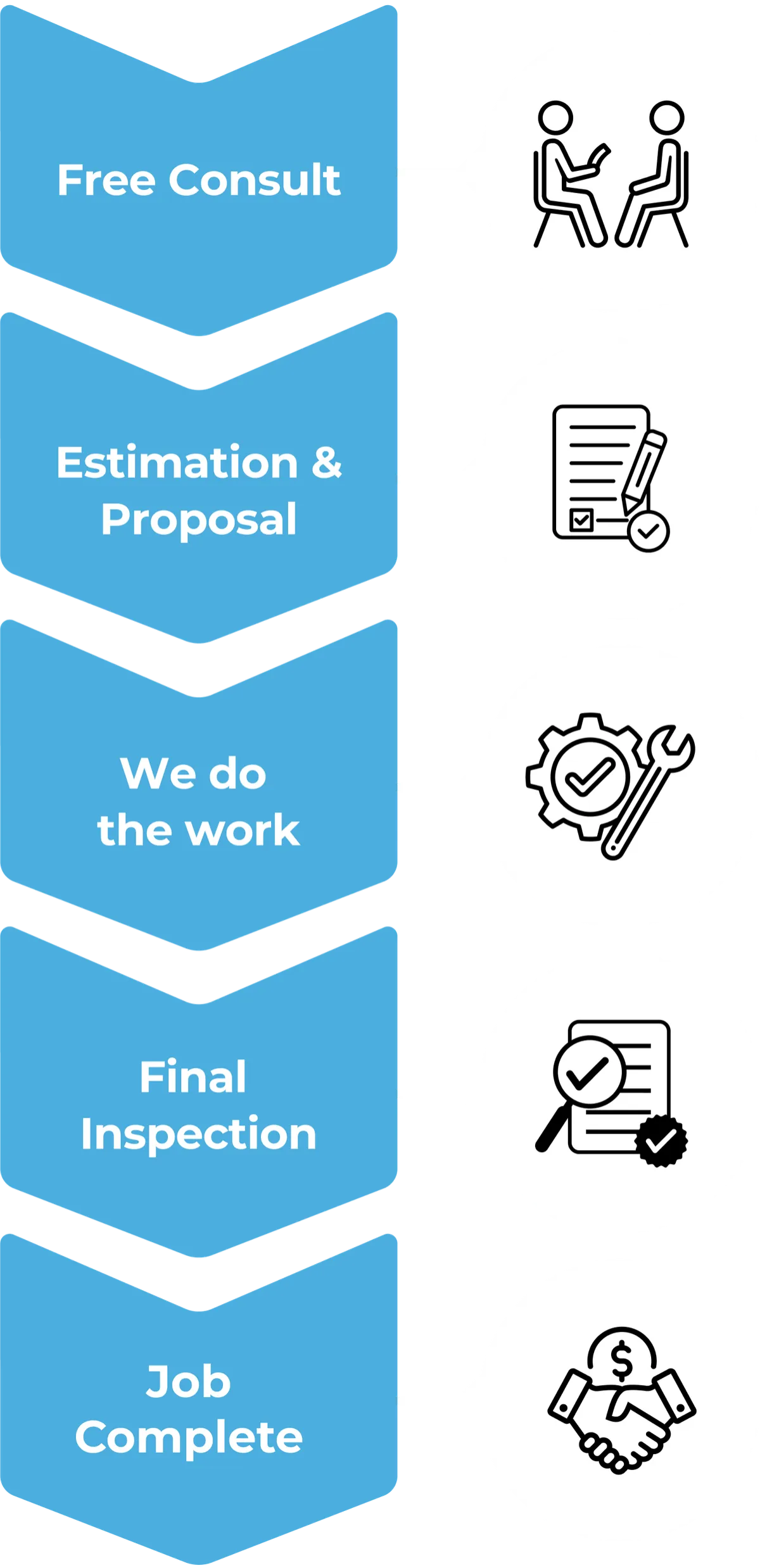
Our process is simple and only contains a few simple steps

SERVICE AREAS
proudly serving Sunbury

frequently asked questions
Find clear answers to the questions we’re asked most often.
How does the repair process work?
Once you contact Appliance Repair Solutions, a technician will discuss the issue with you and arrange a suitable inspection time. The problem is diagnosed on site, and clear advice is provided before any repair work begins. The goal is to complete repairs efficiently while keeping communication straightforward throughout the process.
How quickly can I book a technician?
Service availability depends on your location and the type of appliance issue. In many cases, same day or next day bookings may be available across Sydney. The team aims to respond promptly and provide flexible scheduling where possible.
Do you provide quotes before starting repairs?
Yes. After assessing the appliance and identifying the fault, you will receive clear information about the recommended repair and expected costs. This helps customers make informed decisions before approving any work.
What should I do before the technician arrives?
It helps to clear access around the appliance and make note of any error codes or unusual behaviour. If possible, have the appliance model number available as this can assist with diagnosing the issue faster. The technician will guide you through anything else needed when confirming the booking.
What should I do before the technician arrives?
It helps to clear access around the appliance and make note of any error codes or unusual behaviour. If possible, have the appliance model number available as this can assist with diagnosing the issue faster. The technician will guide you through anything else needed when confirming the booking.
proudly serving Baulkham Hills
Homebush
Gladesville
Leichhardt
North Sydney
Mosman
Box Hill
Marsden park

Trusted & Accredited Plumbers

READY TO take the next step?
get a free quote TODAY!

SparkOne Electrical
14 License Road, Diggers Rest VIC 3427