
BLOG
A Complete Guide to Planning an EV Charger Installation in Sunbury, From Parking Position to Electrical Supply Capacity
Planning a home EV charger in Sunbury starts with three practical questions: where the car parks, how much energy it needs between trips and what the existing electrical installation can support. Choosing the wall unit before answering these questions can leave a household with unsuitable equipment or an inconvenient charging position.
Sunbury includes established homes and growing residential areas. Those properties can have different switchboard arrangements, cable access and parking layouts. A newer home should still undergo an electrical assessment before adding a charger, rather than relying on its age as evidence of spare capacity.
Match Charging Output to the Vehicle and Daily Travel
The output printed on a charger describes its capability, not the charging speed every vehicle will achieve. The property supply, installation settings and the vehicle’s AC charging limit all affect the actual rate. Home AC charging also differs from the rapid DC charging available at some public stations.
Start with ordinary driving requirements. A household usually needs to replace the energy used between trips, rather than recharge an empty battery every night.
For an illustrative calculation, travelling 50 kilometres in a vehicle using 18 kilowatt-hours per 100 kilometres consumes about 9 kilowatt-hours. Charging losses add to the electricity required from the supply. This example is a planning estimate, not a prediction for every vehicle.
Compare that energy requirement with the time the car normally spends parked at home. A long overnight window may allow a lower charging rate to meet daily needs. Short parking periods or two vehicles sharing one charger change that assessment.
Choose the Position Around the Parked Car
Assess the charging location with the vehicle in its normal position. Note which side holds the charging port and whether the household usually reverses into the space.
The lead should reach without stretching across a doorway, blocking a pedestrian route or passing beneath a garage door. Consider where the connector and cable will rest when charging finishes. Shelving, bins and bicycles can make an otherwise convenient wall difficult to access.
Outdoor installation also needs equipment suitable for the exposure. The assessment should consider rain, physical damage and the movement of vehicles near the unit. A charger beside a driveway faces different conditions from one inside an enclosed garage.
If another vehicle may use the space later, identify that possibility during planning. Different charging port positions can affect whether the original mounting location remains practical.
Assess Household Demand Before Assuming an Upgrade Is Needed
An EV charger can operate for hours while other household equipment draws electricity. Available capacity therefore depends on more than an unused position inside the switchboard.
The electrician assesses the existing supply and expected combined demand. Equipment operating during the charging window matters, including electric cooking, water heating and space conditioning. The assessment should distinguish a limitation in the supply from a problem with a particular circuit. Electric Vehicle Council
Compatible dynamic load management can adjust charging output as household demand changes. This requires suitable equipment and configuration; it is not a feature every charger provides. It also does not repair defective wiring or remove the need for an appropriate electrical installation. Tesla Support Australia
Where capacity is limited, the available options may include a lower configured charging rate, compatible load management or electrical upgrades. The assessment determines which approach suits the property and driving requirements.
Plan the Cable Route and Protective Equipment
The distance between the switchboard and charger affects installation planning. The electrician must assess the actual cable route, including access through walls or roof spaces and any exposed sections near vehicles.
Cable sizing depends on the electrical load, route length and installation conditions. A cable suitable for one garage is not automatically suitable for another property.
Circuit protection must also match the charger. EV charging introduces considerations around residual current protection and the equipment’s built-in protective functions. The electrician selects the arrangement using the applicable Wiring Rules and manufacturer instructions, rather than assuming an existing household safety switch covers the new installation. Fixed charger installation requires a licensed electrician.
Check Testing, Documentation and Everyday Operation
Victorian electrical installation work requires a Certificate of Electrical Safety. The electrician must test the completed work before certification. Some associated work, such as particular switchboard or supply alterations, can also require an independent inspection. The requirement depends on the actual scope. Energy Safe Victoria
At handover, establish the configured charging limit, how to start and stop charging, and how any schedule or load management function operates. Keep the equipment instructions and electrical certificate with the property records.
Record any later charging interruptions with the vehicle message, time and circumstances. That information helps distinguish a scheduling issue from an equipment or electrical fault without guessing from the charger’s indicator light alone.

DISCOVER WHAT OUR CUSTOMERS HAVE TO SAY ABOUT US
REVIEWS
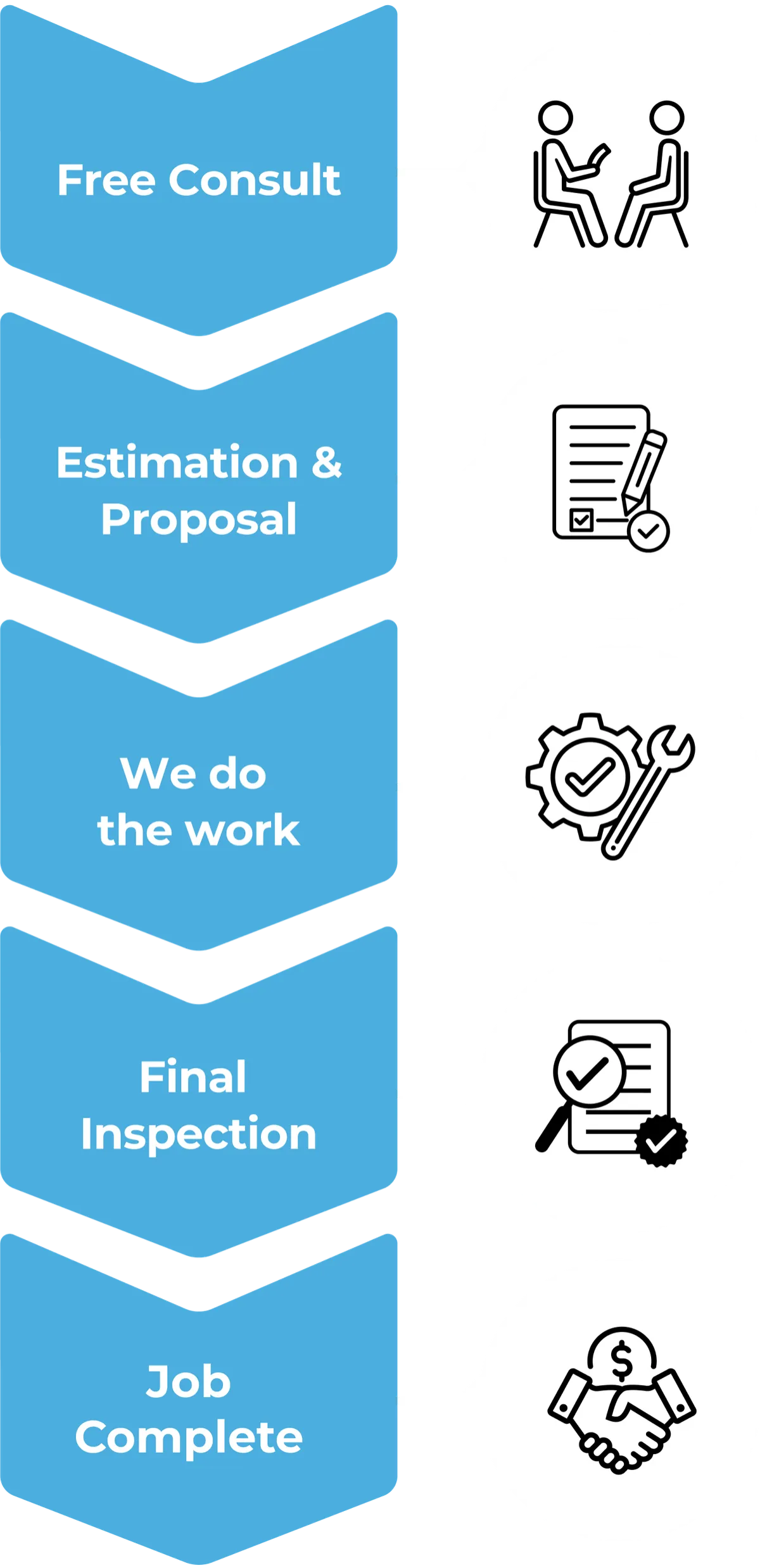
our process
Our process is simple and only contains a few simple steps

SERVICE AREAS
proudly serving Sunbury

frequently asked questions
Find clear answers to the questions we’re asked most often.
How does the repair process work?
Once you contact Appliance Repair Solutions, a technician will discuss the issue with you and arrange a suitable inspection time. The problem is diagnosed on site, and clear advice is provided before any repair work begins. The goal is to complete repairs efficiently while keeping communication straightforward throughout the process.
How quickly can I book a technician?
Service availability depends on your location and the type of appliance issue. In many cases, same day or next day bookings may be available across Sydney. The team aims to respond promptly and provide flexible scheduling where possible.
Do you provide quotes before starting repairs?
Yes. After assessing the appliance and identifying the fault, you will receive clear information about the recommended repair and expected costs. This helps customers make informed decisions before approving any work.
What should I do before the technician arrives?
It helps to clear access around the appliance and make note of any error codes or unusual behaviour. If possible, have the appliance model number available as this can assist with diagnosing the issue faster. The technician will guide you through anything else needed when confirming the booking.
What should I do before the technician arrives?
It helps to clear access around the appliance and make note of any error codes or unusual behaviour. If possible, have the appliance model number available as this can assist with diagnosing the issue faster. The technician will guide you through anything else needed when confirming the booking.
proudly serving Baulkham Hills
Homebush
Gladesville
Leichhardt
North Sydney
Mosman
Box Hill
Marsden park

Trusted & Accredited Plumbers


READY TO take the next step?
get a free quote TODAY!

SparkOne Electrical
14 License Road, Diggers Rest VIC 3427